






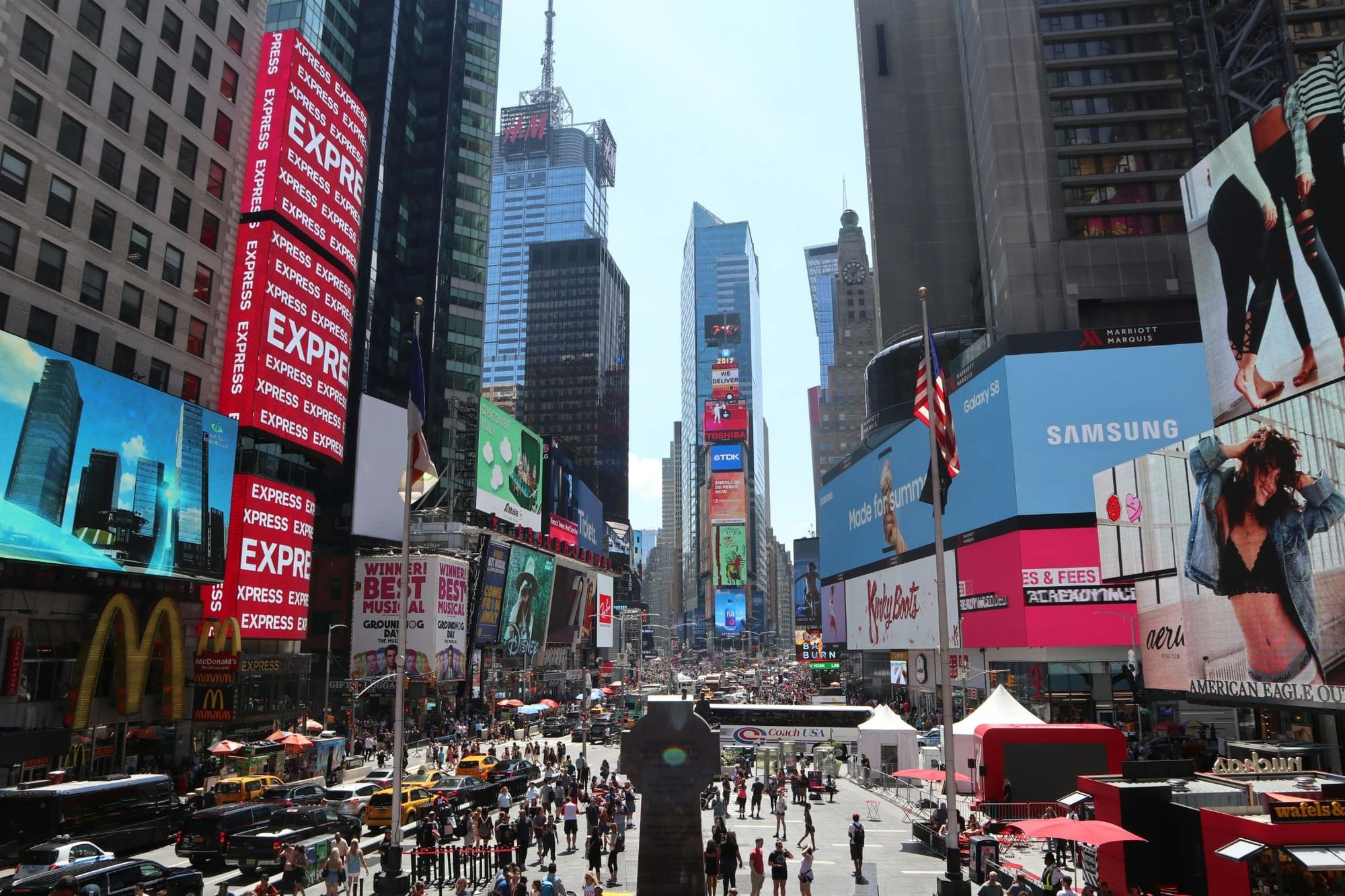
In a UK shopping center in 1992, a nameless mall security guard uttered the words ‘digital signage.’ This was the first time ever that somebody used this term to refer to video walls.
And the rest is history.
But 1992 wasn’t all that long ago. And anyone working in the field should know (or is at least a little bit curious about) the rich history of digital signage over the last 40 years.
So this timeline follows the evolution of digital signage from a humble ‘video wall’ to the advertising platform of the future. It explores everything from early local playback and dial-up internet to the complex, interconnected systems that will define modern digital signage in 2026 and beyond.
The comprehensive timeline of digital signage history
No need to start in the Stone Age here.
With over four decades of innovation in signage technology, we’re going to focus on the modern era of signage development — think everything that came after building, designing, and implementing the LED screen.
We pick up our timeline story from the nineties, when digital signage first got its name and bearing:
1990: The digital revolution
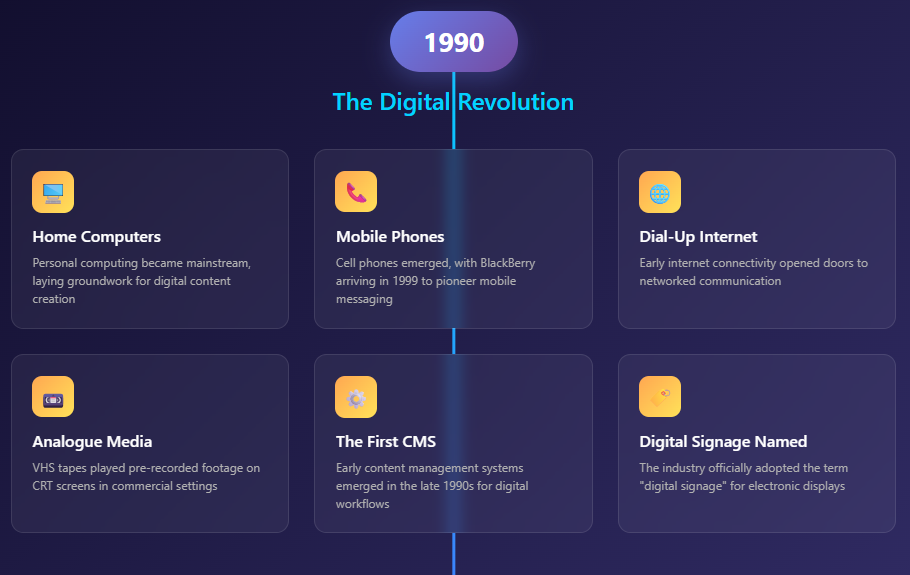
In the early 1980s, digital signage was closer to a science project than a functional advertising system. Between the expensive screens, custom hardware, and manual content updates, it wasn’t necessary what you’d call a ‘profitable’ venture.
But things slowly started to change over the next decade, with more hardware and software options available for the enterprising brand.
Let’s take a closer look.
Digital signage gets its name: 1992
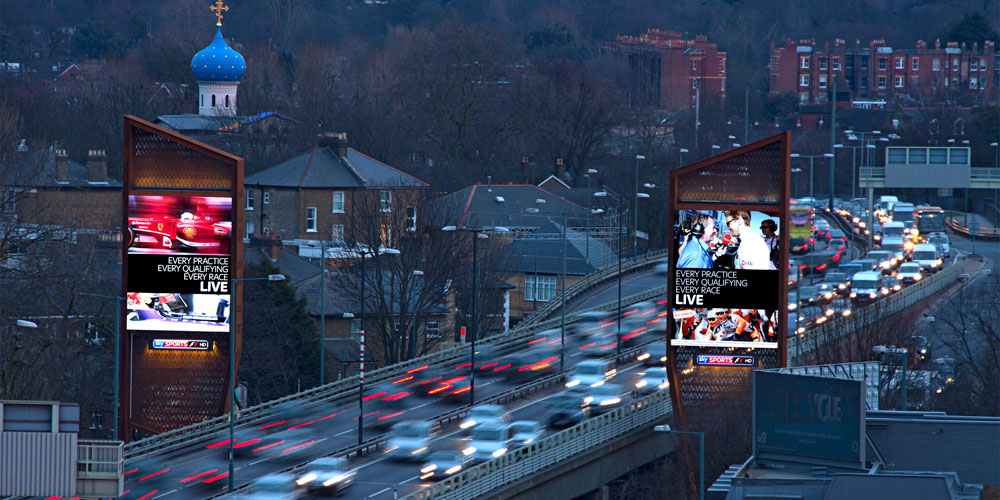
We’ve already covered some of this story earlier: a mall security guard technically coined the term ‘digital signage’ in 1992.
But it was Neil Longuet-Higgins, the then-administrator of the video wall company, Proquip Gearhouse, who decided to use this term as a marketing tagline.
See for yourself in this interview with Neil Longuet-Higgins:
“It was many years ago… in the UK, and we just called them video walls. There was no mystery to them.
But then one day I had a phone call from a security guard who said, “Your digital sign is broken.” I said, what are you talking about? I think you've got the wrong number. He said, “No, your digital sign”, and I thought he was talking about neon signs or something, and then he went, “No, the one with all the pictures on it,” and I suddenly went, “Oh, with the video screen?” He said, “Yeah.”
I actually thought about that after he'd made the call. I thought, “Hmm, digital sign!” So we started to promote [our products] as digital signage for advertising, and the name stuck internally. Then some of the people [and] suppliers would start to use it, and it just picked up from then.”
The rest, as you know, is history.
Signage hardware changes: 1991 to 1999
Before there was digital signage, there was neon signage. This was widespread and very popular, but suffered from several limitations. You couldn’t display pictures using neon signage, for example. And you certainly couldn’t update it with new advertising messages whenever you felt like it.
But suddenly, digital signage technology advanced leaps and bounds with new technology and signage options available for purchase.
First, the LCD screens and LED displays of the past culminated into flat-screen TVs, which were very expensive, but still available for purchase in 1997. DVD players were also released that same year in the United States. This allowed companies to connect their (very expensive) plasma screens to their DVD players with AVI cables.
But if you didn’t have access to those ‘new-fangled’ DVD systems, you could always pivot to analogue media formats (like VHS tape). VHS allowed businesses to play pre-recorded footage on cathode ray tube (CRT) screens, and therefore, put simple images on commercial displays.
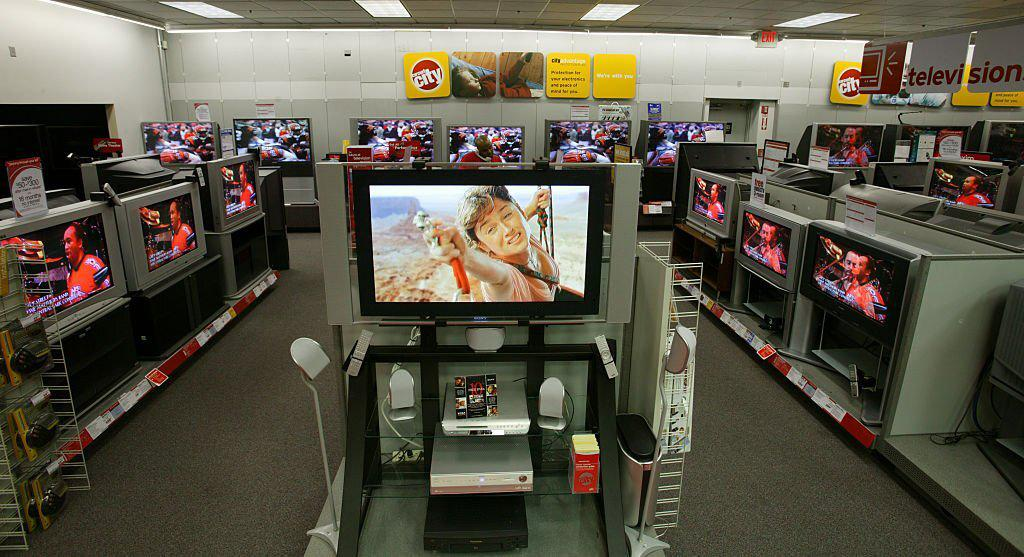
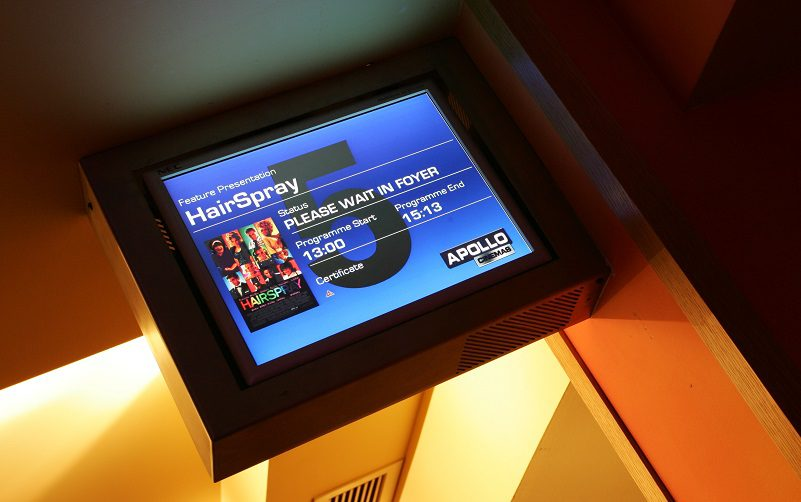
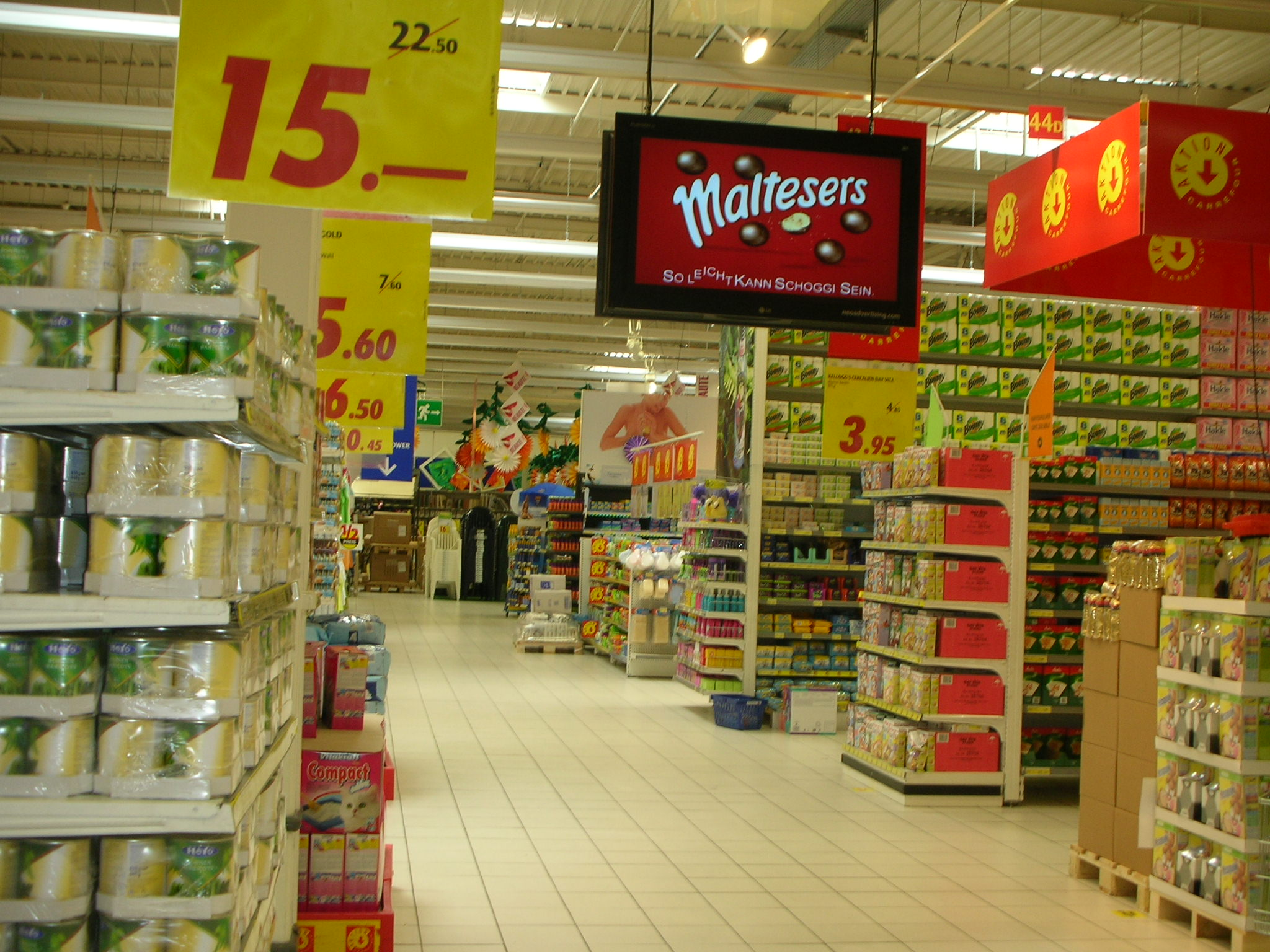
New screen and player options had a monumental impact on what people could display in their places of business. Thus, the first few slivers of digital signage were born. Like this display screen for a movie, for example:
There were a few other tech developments in the 90s to keep in mind:
- Home computers. By the end of the decade, we saw computers like the iMac, Windows 98 operating systems, and a mini-computer: the Toshiba Libretto.
- Mobile phones. The ever-famous BlackBerry hit the big leagues in 1999. This would lay the groundwork for new digital media types and management methods.
- Dial-up internet. Dial-up took off in the late 1990s, which was the first iteration of broadband and WiFi.
The first CMS: 1995
Content management systems, or CMS, had already existed for some time before the 90s. But many of these platforms were clunky and hard to use. Plus, they weren’t necessarily designed to work on enterprise scales.
So it came as a breath of fresh air when, in 1995, FileNet introduced its ‘complete integrated document management solution’ This is considered the first ‘real’ and publicly available content management system on the internet.
FileNet’s grand innovation was followed by a number of other competitors:
- Interwoven in 1995
- Documentum, FatWire, Future Tense, and Inso in 1996
- EPiServer in 1997
- Sitecore in 1999
But keep in mind these platforms weren’t specifically designed for digital signage systems. You also needed a deep knowledge of HTML, CSS, and coding to set everything up — not ideal for budding entrepreneurs.
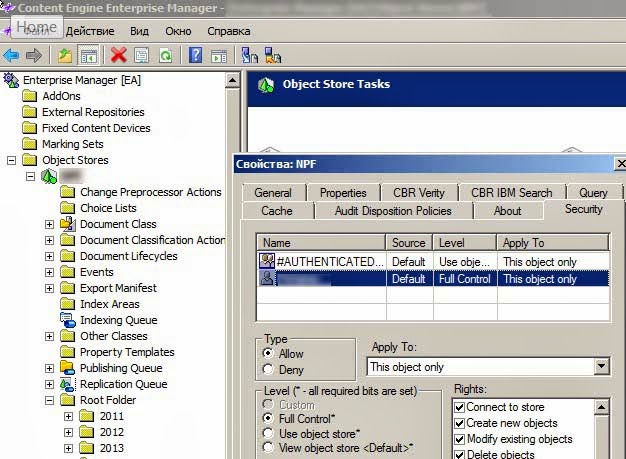
At the time, however, FileNet was still a major innovation for digital displays. They would also serve as the backbone for cloud-based platforms, which were on the horizon.
For now, they served as a helpful place to store pictures, videos, files, and other things.
These would all have a place to go in the next decade of digital signage evolution.
2000: The era of commercialization
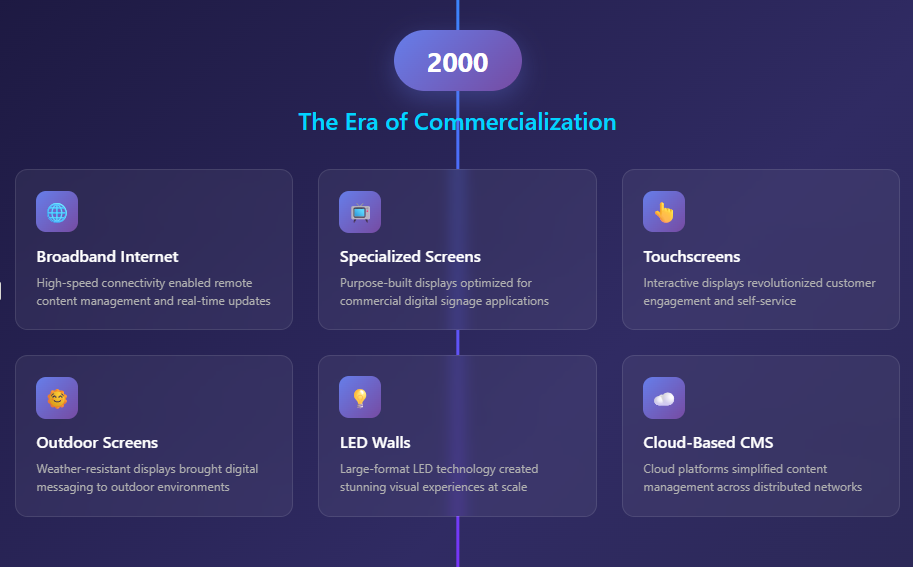
The “noughties” gave rise to a new use case for digital signage: the ability to display media at high quality and at scale. This allowed digital signage to reach new audiences, investors, and most importantly, investors.
It also evolved from isolated displays into a core communication layer for thousands of brands in various industries.
See for yourself:
The rise of broadband internet: 2001 to 2003
Broadband internet made for a massive improvement over dial-up. For one thing, there was drastically higher bandwidth for richer formats (like video, for example). For another, your computer could always be turned on and connected. No more tying up the phone lines or turning an online video into a slideshow.
In practical terms, broadband made digital signage scalable. It was also a precursor to smart televisions, which only became truly accessible in the 2010s (which we’ll get to later).
But broadband’s most important innovation was giving rise to the next generation of CMS systems, as you’ll see below.
Cloud-based CMS: 2005 to 2007
Unlike the traditional CMS systems of yesteryear, cloud-based CMS systems could be accessed from anywhere with an internet connection. Some of the earliest instars, like Agility, didn’t require nearly as much coding knowledge as previous software. You could also publish content to nearly any system, including your TV (also called a ‘headless’ system).
Some CMS systems were also purposefully designed for unique signage use cases, like road signs or lobby screens. Because instead of manually switching out the CDs or USB drives on traditional screens, organizations could now push content remotely, on demand, and with far greater reliability.
Cloud-based CMS platforms also made digital signage far more affordable for most industries. For example:
- There was less of a reason to keep on-premise servers. This made it easier to manage multiple commercial signage locations.
- Dedicated digital signage software could support international networks. All you needed was cable internet and/or a media player to update content on your digital signage network from anywhere in the world.
- Support for richer and more data-heavy formats. It was suddenly feasible to play various media formats other than static displays, including dynamic content like videos, GIFs, and short animations (like the ones you’d see on a very old PowerPoint slide).
Specialized screens: 2004 to 2008
Modern digital signage hardware quickly moved beyond consumer televisions by the mid to late 2000s. Commercial-grade displays emerged to meet demands like continuous operation, higher brightness, better thermal management, and longer lifespans.
At the same time, screen types started to diversify based on use case rather than convenience. Nontraditional digital locations like stadiums and transportation hubs could suddenly accommodate digital signage just as well as retail stores and corporate environments.
Some of the biggest hardware innovations of this period include:
- Interactive touchscreens. Interactive experiences enhance customer engagement via kiosks, directories, and wayfinding signage. Instead of passively broadcasting static displays, screens could now respond to user input for self-service, navigation, and customer support.
The first major example of this appeared in 2007, when Imperial Multimedia installed 31 interactive kiosks around Virginia's State Park. These electronic kiosks could provide information in, quite literally, a single swipe, including park overviews, printable maps, video trail tours, and emergency contact information.

- Outdoor screens. Innovations like higher brightness, weather resistance, and improved durability allowed screens to operate in direct sunlight, extreme temperatures, and public spaces. This culminated in the first outdoor TV screen in 2004, designed by the still-alive company, SunbriteTV.
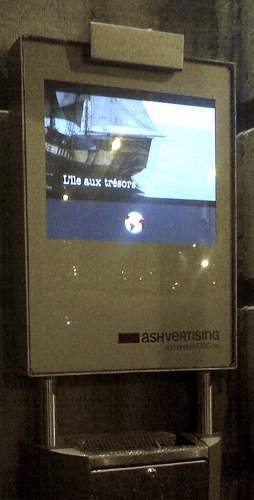
Outdoor screens expanded signage into traditionally difficult areas for advertising, like storefront windows, transit platforms, drive-thrus, and city centers. For example, consider this digital signage solution attached to an outdoor smoking disposal can. An ingenious use of space at the time.
- LED walls. Large-format LED walls entered high-visibility venues like stadiums, arenas, airports, and major transit hubs. Unlike traditional displays, LED walls could be scaled to massive sizes without sacrificing brightness or clarity, transforming digital signage into an architectural element as much as a communication tool.
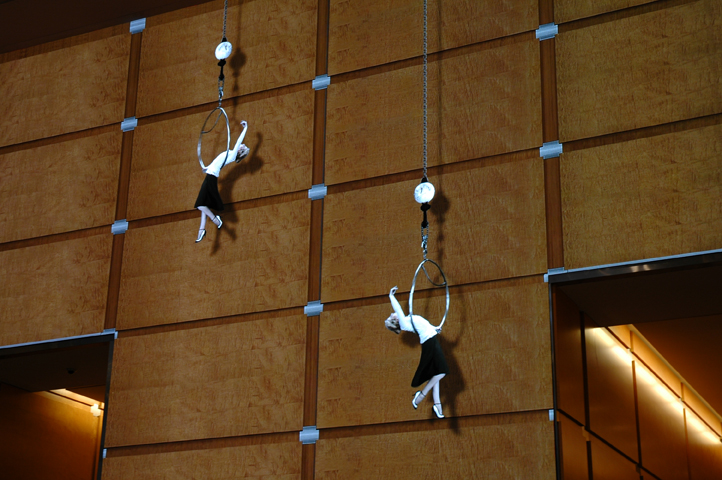
A great example of this is the LED wall from Philadelphia’s Comcast Center, which was officially completed in 2008. A little trite today, perhaps, but groundbreaking nonetheless. It would certainly pave the way to even more possibilities with the rise of new interactive displays in the next decade.
2010: Building an internet of screens
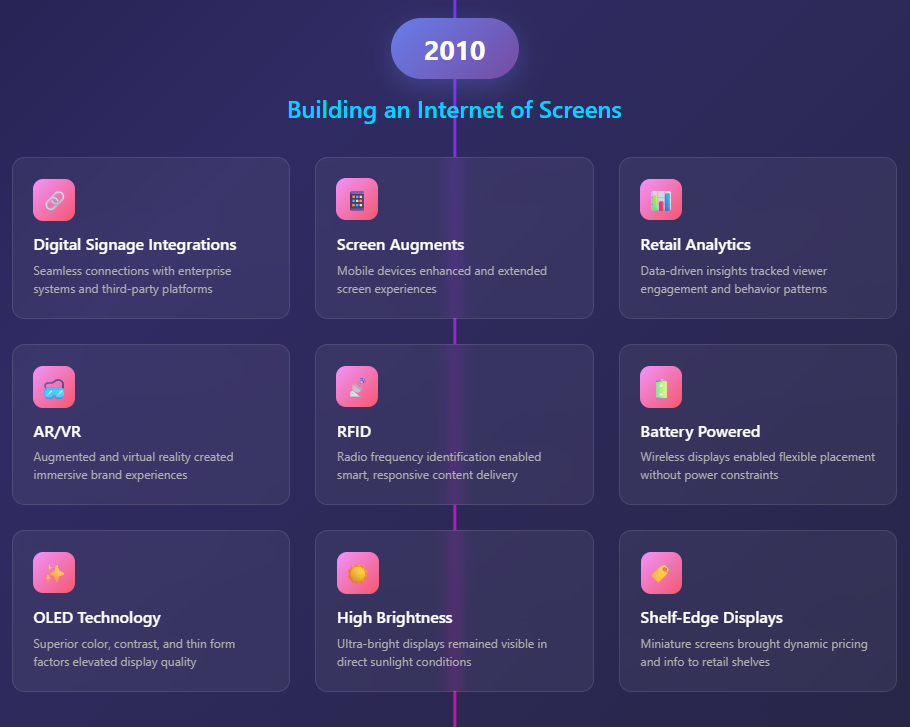
Digital signage had firmly outgrown its novelty phase by the early 2010s. Screens were no longer just endpoints for content, but became connected nodes in a much larger digital ecosystem.
There was a discernible shift from “networks of displays” to something closer to an “internet of screens.” Companies could now build responsive, data-aware, and deeply integrated signage networks that were greatly compatible with other enterprise systems.
Let’s take a closer look:
Digital signage integrations: 2016
Digital signage platforms began to offer integrations with third-party software, which allowed the average user to connect their CMS to other enterprise software. Suddenly, the average IT hero could connect:
- Digital menus to their digital billboards
- Business analytics software for TV dashboards
- Social media posts to screens in retail settings
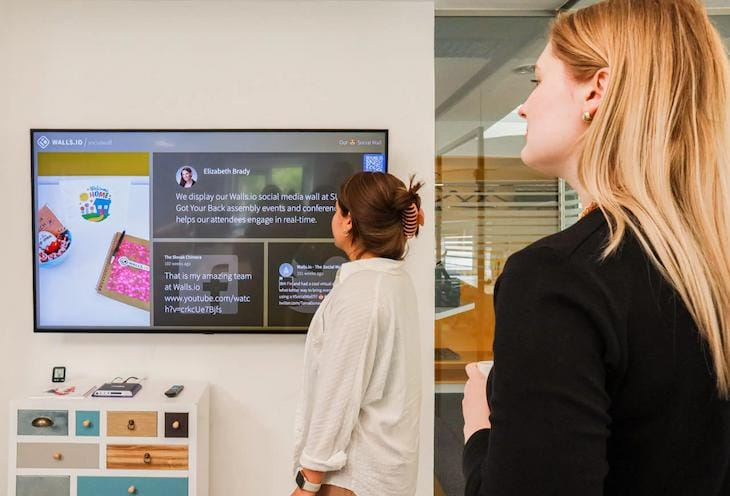
Today, integrations are a major part of how businesses communicate with customers and deliver content on schedule.
No need to take our word for it, though.
Learn more about digital signage integrations here.
Commercial screen developments: 2011 to 2019
Apart from high definition displays (which usually always improve decade over decade), digital signage saw some major improvements to the quality and design of its commercial screens.
We’re talking:
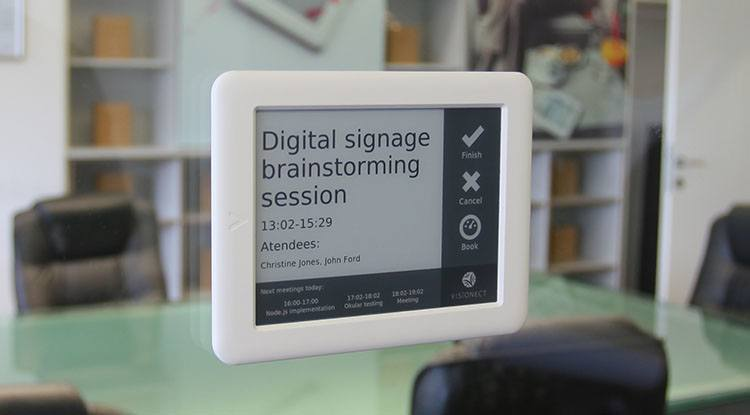
- Battery powered. Temporary installations and pop-ups without permanent wiring. Great for areas with no WiFi or in tight and awkward spaces. E-paper displays are a great example of battery-powered signage. More on this later.
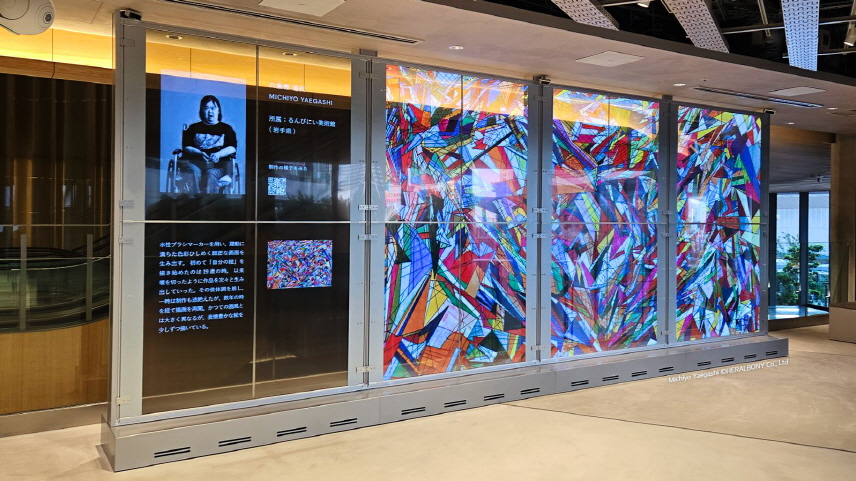
- OLED and transparent OLED displays. OLED screens delivered richer contrast and thinner form factors, while high-brightness panels pushed visibility in sunlit spaces even further. This gave rise to transparent displays, which blend digital content into storefronts and architectural glass. Like so:
- Shelf-edge. Screens that place digital pricing and promotions directly at the point of decision (i.e., the edge of a shelf). Most commonly found in the retail industry. It’s come leaps and bounds over the last decade or so, with screen augmentations like sensors and cameras (more on this later).

Screen augments: 2015 to 2019
Sensors, cameras, and network signals became far more obtainable in the mid to late 2010s. These tools turned monitor displays into an interconnected network that had surprising awareness of its physical environment.
Below are the most memorable augments of the time:
Real-time data analytics
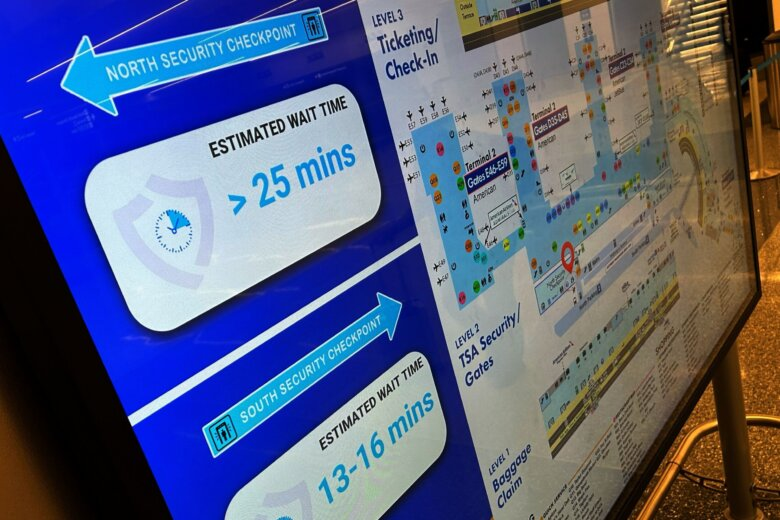
Cameras and sensors can count foot traffic in real time, run accurate analytics, and then adapt content based on how people move, gather, and behave in a space.
Companies like AisleLabs turned these signals into heat maps and movement patterns. That way, they could easily tell where people went, how long they spent in one place, and even what a business’s retail sales conversion ratio looks like.
Another brand, the Austin-Bergstrom International Airport, worked with Boingo to estimate TSA wait times. They did this by detecting WiFi-enabled devices moving through their security lines. They could then use that data to feed digital signage, showing passengers estimated wait times or directing them to less crowded checkpoints.
AR/VR
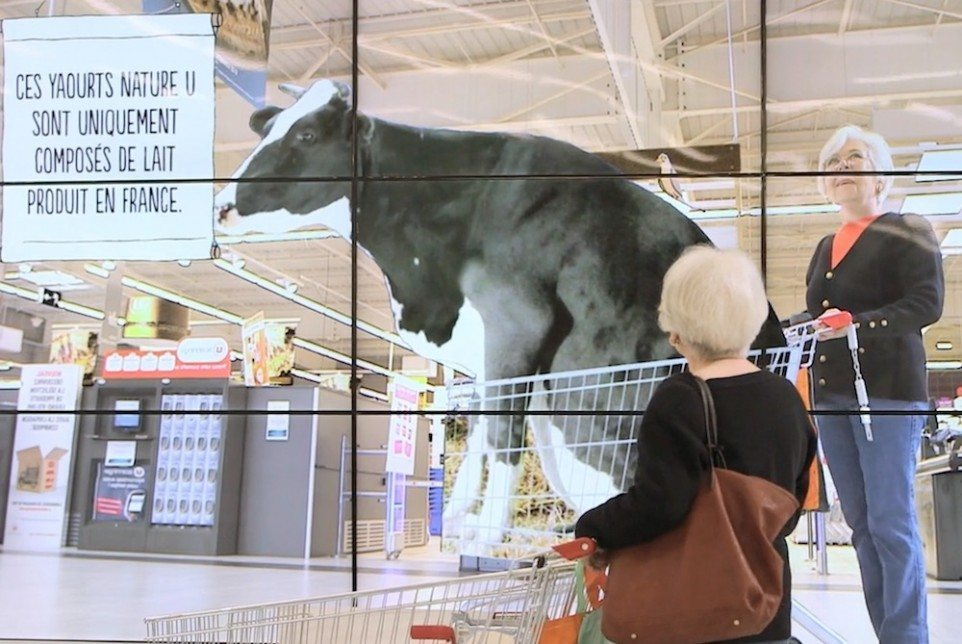
AR and gesture-based screens encourage user engagement with your signage without requiring physical touch. This makes signage more engaging in high-traffic or hands-free environments. It can also help to ‘surprise and delight’ customers and potentially nab higher sales in the process.
One example of this is the French supermarket chain Système U, which deployed gesture cameras and a large video wall that responded to shoppers’ carts. As customers passed by, animations triggered based on the cart’s size and selected products. It also helped visually explain product origins while customers still shopped in Système U’s retail environment.
RFID
RFID tags let screens to recognize tagged objects nearby, then trigger specific content automatically (or whenever said RFID tag passed by the screen). This made it possible to personalize messaging without user accounts, apps, or manual interaction. Or, without tracking WiFi signals, which understandably make some users uncomfortable.
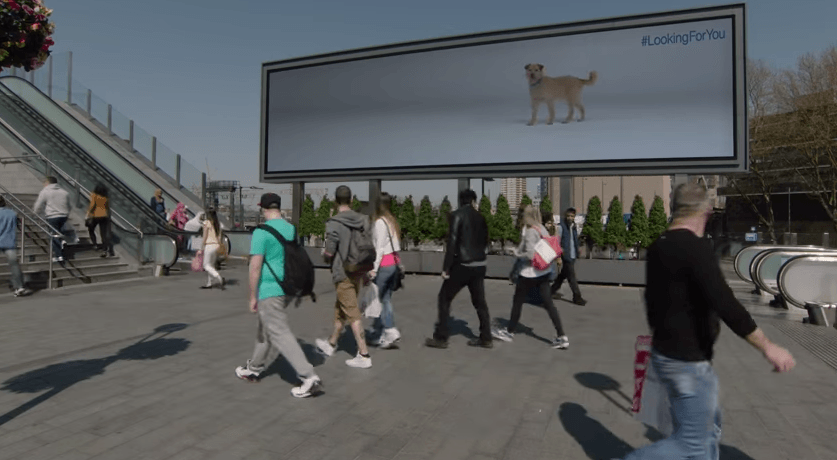
In a 2015 London animal adoption campaign called Looking For You, digital screens at Westfield Stratford City appeared to “follow” shoppers with a video of a dog named Barley. The screens normally played standard ad loops, but when someone carried a leaflet embedded with an RFID tag, long-range readers detected it. This triggered Barley’s video to appear as they walked past.
The result was a playful, emotionally resonant experience that blended outdoor signage, LCD screens, and digital signage software.
2020 and beyond: The age of AI
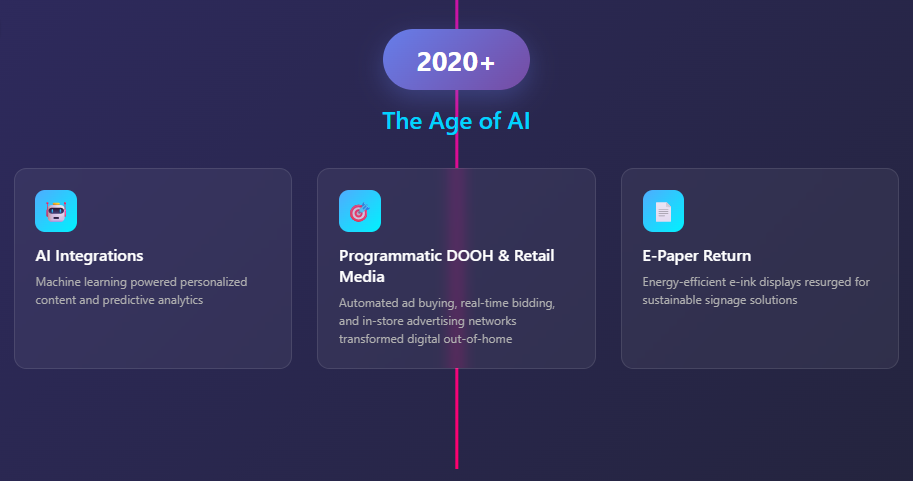
In the 2020s, digital signage continues to maintain its value as a source of income for many businesses. Trusted firms like Grandview Research believe it may grow to a whopping $45.94 billion USD by 2030.
This has quite a lot to do with the age of AI, especially machine learning, and the power of automations. It’s also led to a new ‘industrial revolution’ allowing users to create complex, dynamic content flows.
Here’s an even closer look at this evolution of digital signage:
Return to e-paper: 2020
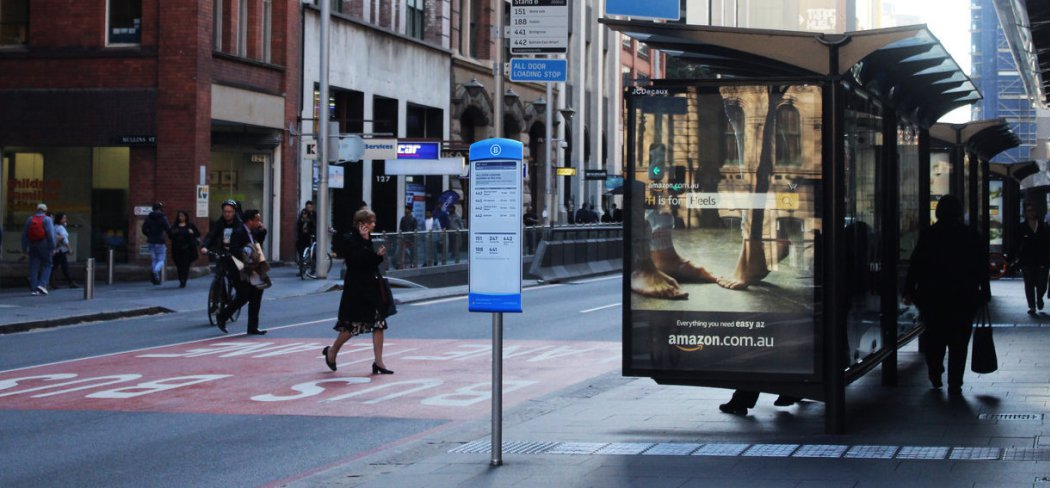
E-paper displays are nothing new. In fact, we touched on them briefly during the 2010 development period. But with rising expectations around power consumption and sustainability, these unique little screens are seeing something of a comeback.
Unlike traditional LCD or LED screens, e-paper consumes power only when content changes. The 2020s also brought a wave of fresh innovations to this technology, like higher contrast, improved refresh rates, and larger form factors.
Today, e-paper is viable for retail shelf labels, corporate directories, healthcare environments, and logistics facilities. It’s possible to deploy dozens, if not hundreds, of screens with minimal power draw and virtually no heat output. This can play a crucial role in slashing your carbon footprint, especially within industries that have aggressive ESG goals.
Learn how e-paper displays are hitting the big leagues in 2026.
AI integrations in signage: 2021
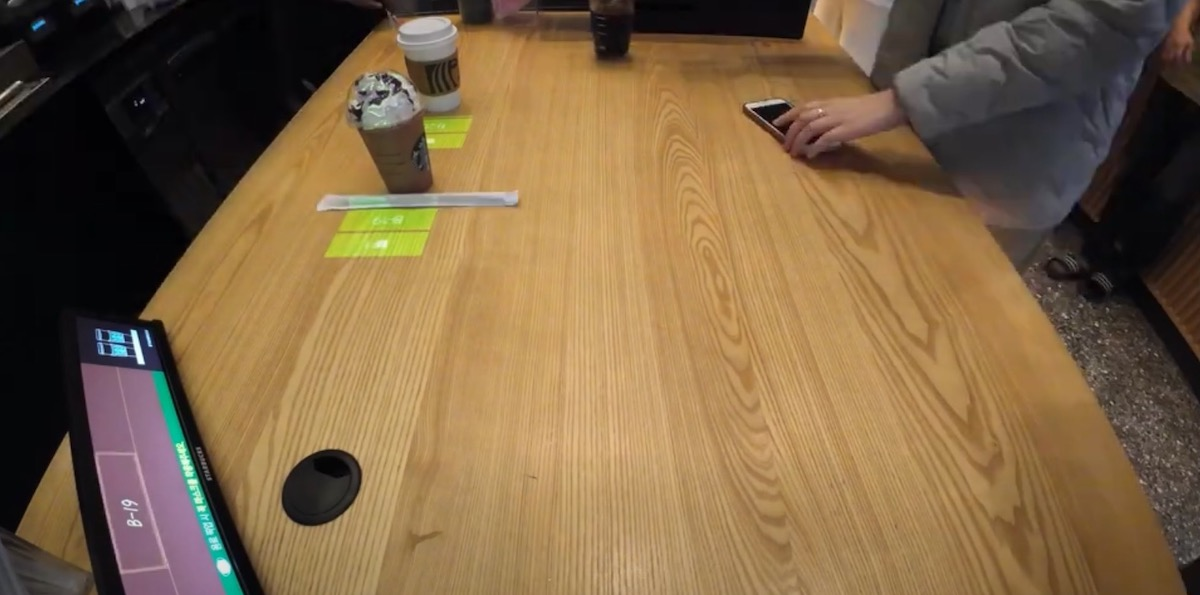
Artificial intelligence has shifted digital signage from a reactive system to an adaptive one. Now, instead of scheduling content in advance, teams can let their software decide what to show, where, and when based on their initial input.
In the 2020s, AI began powering things like:
- Automated content selection
- Predictive scheduling for specific content changes
- Triggers based on weather, inventory levels, time of day, or operational data
Beyond content delivery itself, you can also use AI for security in your digital signage software. Machine learning has significantly improved anomaly detection, can help flag playback failures or device issues, then automate alerts and notifications when it detects problems with your digital signage network.
Learn more about AI in digital signage.
Programmatic DOOH and retail media boom: 2026
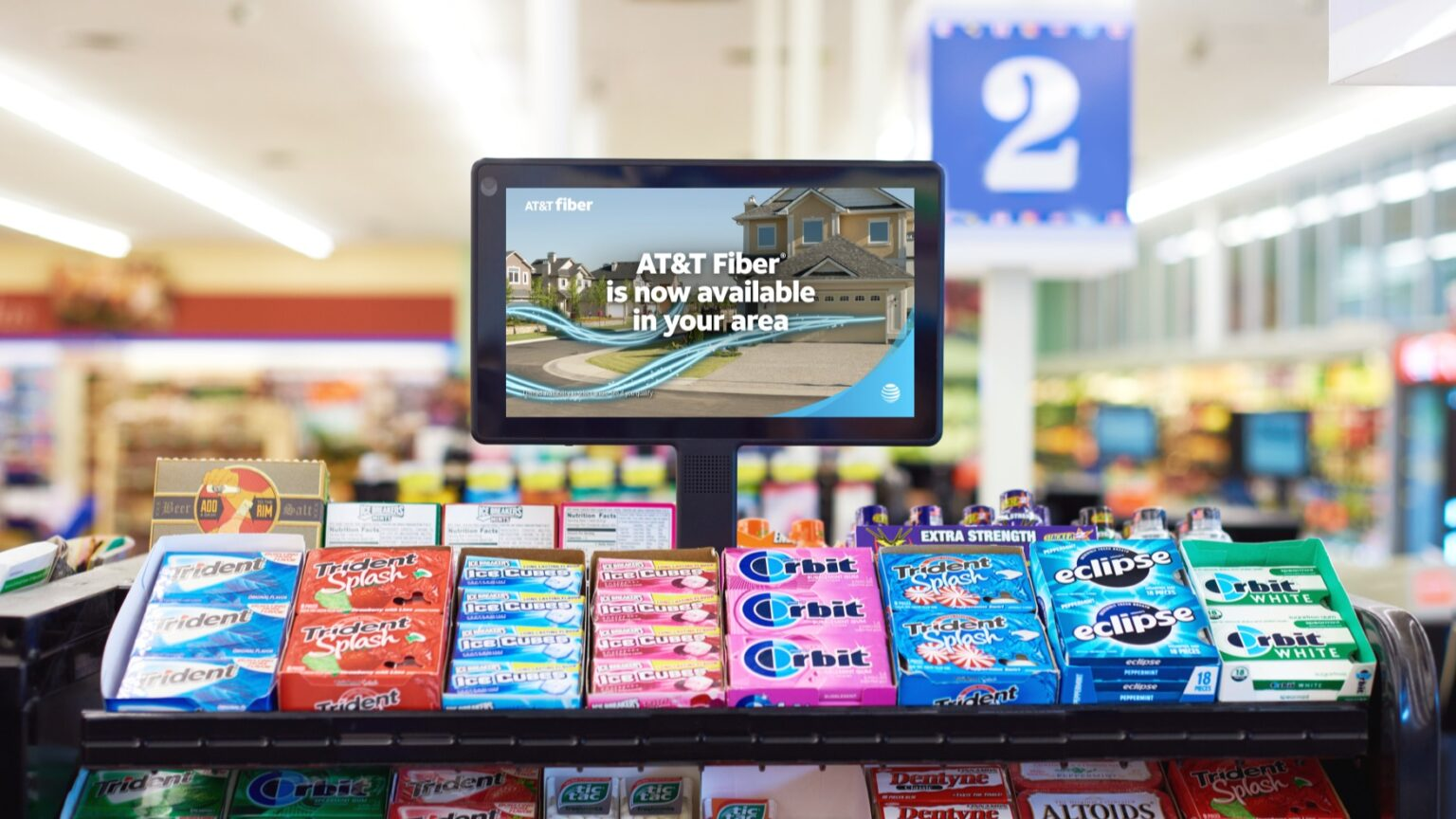
As digital signage matured, it increasingly intersected with advertising technology. This began the rise of programmatic DOOH (digital out-of-home) and retail media networks, which allowed companies to monetize their inventory on screens connected with proprietary data (aka, retail analytics).
These days, retailers and venue operators can track metrics like foot traffic patterns, dwell time, and contextual signals to sell screen time dynamically. This lets businesses update their ads based on audience density, time of day, or store performance.
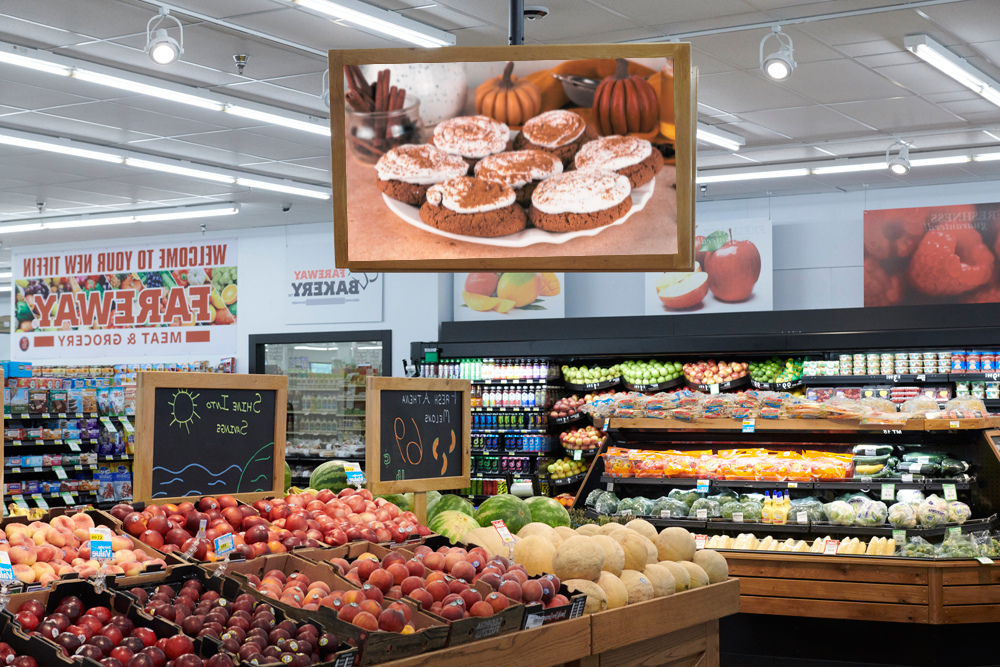
For brands, that means better targeting and measurable ROI. For operators, it creates new revenue streams that justify ongoing investment in signage infrastructure.
Other shifts of note
Apart from these specific software enhancements, we’re seeing major changes to LED displays and media players. We’ve heard rumblings of innovations like holographic displays, and plenty of ISE displays touting interactive kiosks with augmented reality. Some digital signage events have shown off dynamic displays that adjust to specific audience demographics. Still others are talking about AI-powered digital signage players. 😎
See for yourself.
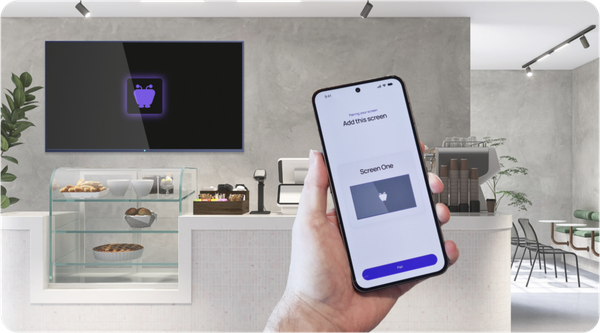
There’s currently no timeline for any of this, but there’s a pretty good possibility of more prototypes by the end of the 2020s.
And if the history of digital signage is any benchmark, the next five years will be a wild ride.
What about the future trends of digital signage?
They say those who don’t know history are doomed to repeat it. We say, ‘bring it on.’
Because as you’ve seen, digital signage makes progress in every decade by solving the problems the previous decade couldn’t.
Future innovations will be CMS systems that update themselves without manual input, and those that easily connect with existing tech stacks. There will be more workflow logic, more analytics data, and better governance guardrails.
Anything else comes down to table stakes.
Learn more about the future of screens in digital signage.
Frequently asked questions about the history of digital signage
Q: When were digital signs invented?
The first digital signs emerged in the late 1970s and early 1980s thanks to the rise of LED and electronic display technology. But widespread commercial use didn’t start until the 1990s, when networked computers and broadband internet capabilities made it possible to complete remote content updates.
Q: When did the digital marketing era begin?
Digital marketing on digital signage began in the 1990s with the development of better technology. Suddenly, advertisers had access to CMS platforms, better hardware, and widespread availability in public spaces.
Q: What is the history of signage?
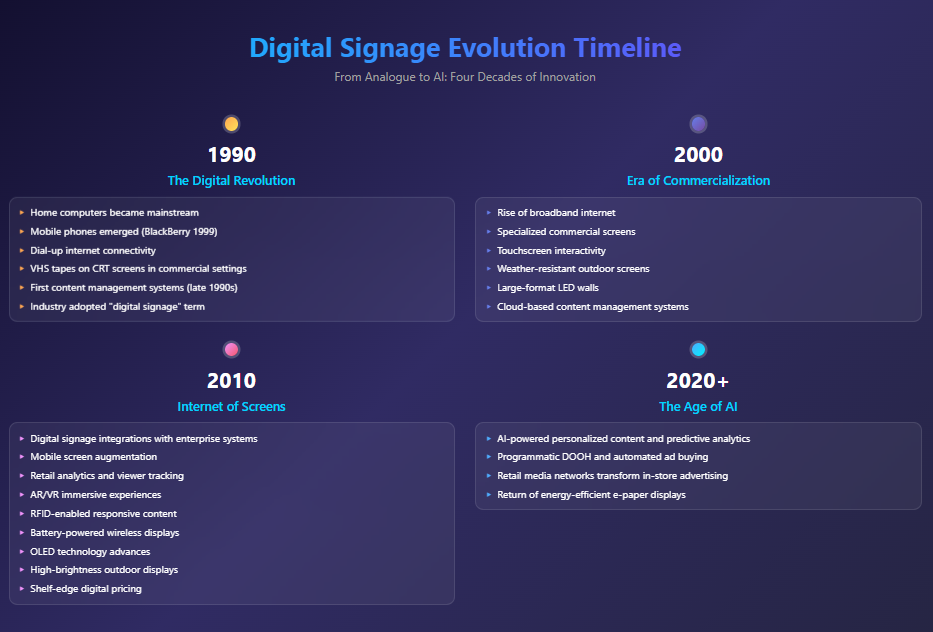
The following infographic explains the modern history of signage:
Q: Who invented digital signage?
The term ‘digital signage’ was invented by a security guard in the UK, where it was picked up by the larger industry. In terms of hardware, the LED screen (not the LED light bulb) was designed by Nick Holonyak, Jr. in 1962, and the LCD was discovered by Richard Williams in 1962 and developed by George H. Heilmeier in 1964.

